Tell us your use case and we'll show you the right deployment.
KeyShare Connect launches on Mercury controllers at ISC West 2026 — turning government-issued digital IDs into physical access credentials with zero per-user fees.
No articles in this category yet.
Most government digital ID wallets are static containers. A credential in an app isn't a digital identity ecosystem. Here's what's missing.
SDG 16.9 promises legal identity for all by 2030. The technology to deliver it exists — but the platform architecture matters as much as the political will.
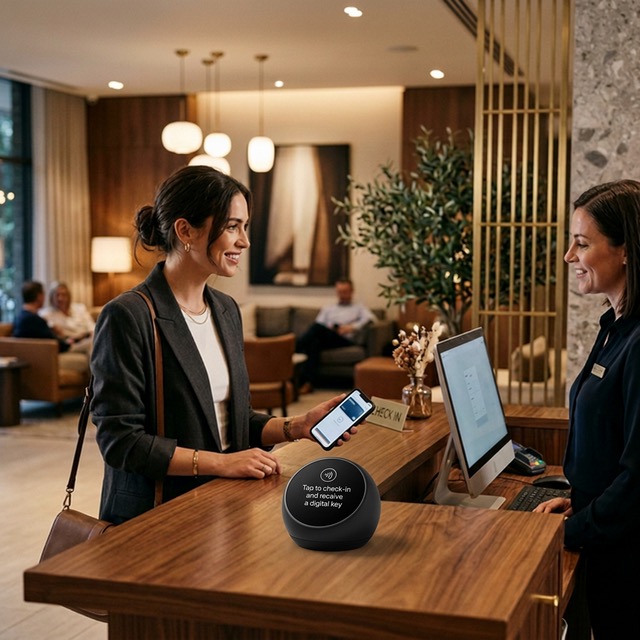
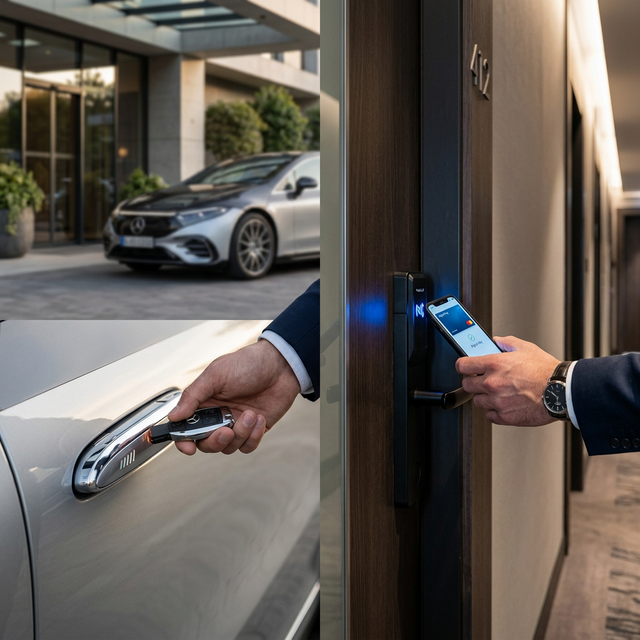
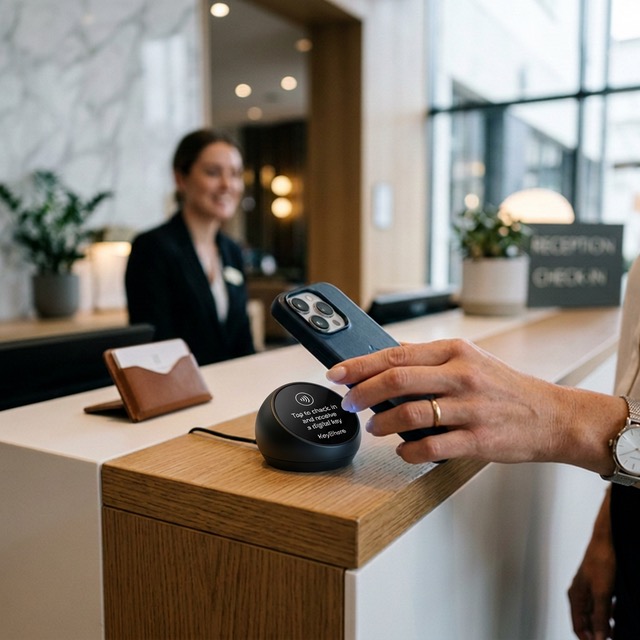
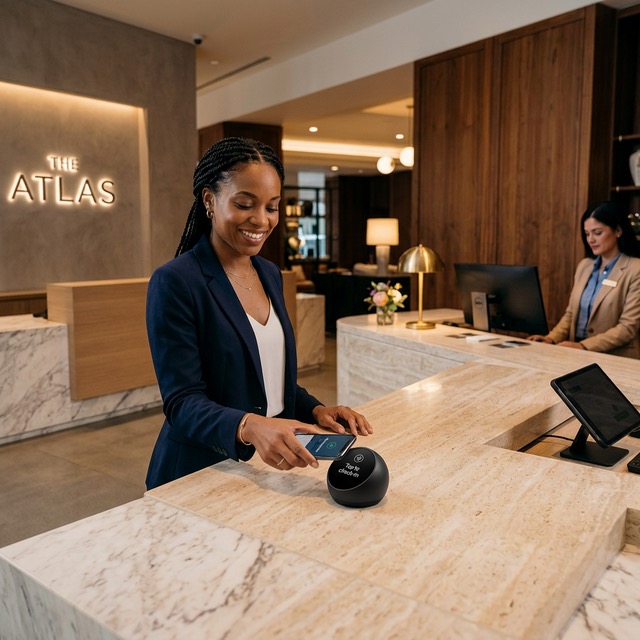
Hotel mobile key adoption has stalled below 10% for a decade. The reason isn't technology — it's the app download requirement. Here's how NFC-based wallet key delivery solves it.
Foundational ID (Aadhaar, MOSIP) answers 'who are you?' The credential ecosystem layer answers 'what can you do?' Both are needed. Here's how they fit together.
Code auditability isn't a procurement checkbox — it's a security requirement. Here's why source code access matters for digital identity.
A hotel check-in, a building entrance, and a government service counter all start with the same question: who is this person? Identity is the common layer.
How do you build identity infrastructure for another country without creating dependency? DPI principles provide the framework.
Every badge costs $4–$17 to issue. Every lost card is a security vulnerability. Identity-based access control eliminates both — verifying people, not tokens.
3 billion people don't have smartphones. Digital identity for them requires SMS, USSD, physical NFC cards, and delegated agents — not a simpler app.
Everyone claims DPI alignment. Few build for it architecturally. Here's what DPI-native actually means for digital identity.
Digital identity that requires internet connectivity excludes the people who need it most. Offline-first verification is an architecture, not a feature.
Three credential formats are competing for government adoption. W3C VCs, SD-JWT VCs, and mDocs each have tradeoffs. Here's what government CIOs need to know.
Data residency isn't sovereignty. Governments need operational independence, code auditability, and no vendor lock-in.
Digital identity assumes smartphone ownership. 3 billion people don't have one. Delegated agent models bridge the gap without excluding anyone.
The platforms that win aren't the ones with the most features — they're the ones where organizations can build without the vendor.
PKI tells you who signed a credential. Trust governance tells you whether they were authorized to. Here's why frameworks matter.
DPI is reshaping how governments think about digital identity. From India's Aadhaar to the EU Digital Identity Wallet — how open infrastructure enables citizen-centric identity.
eIDAS 2.0 mandates digital wallets for 450M EU citizens. Non-EU countries should pay attention — eIDAS is setting the global standard.
Hotel mobile key adoption has plateaued below 10%. The problem isn't the technology — it's the delivery model. Here's what needs to change.
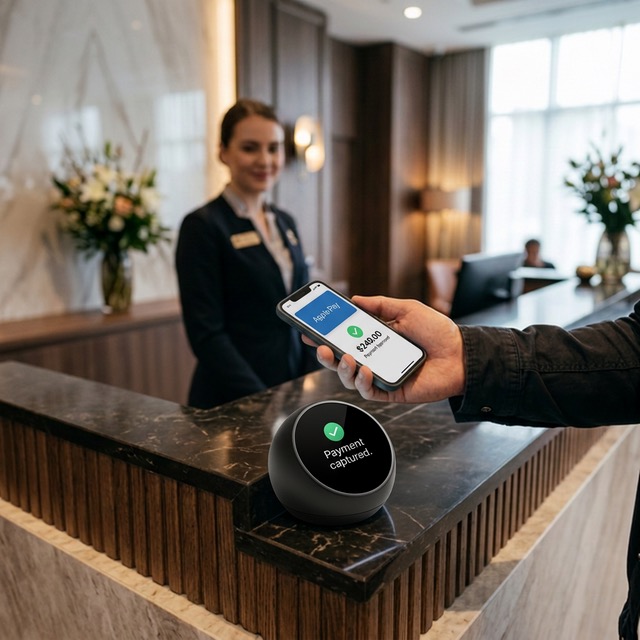
Contactless payment capture at hotel check-in changes the PCI scope. Here's what compliance teams need to understand about NFC payment at the Puck.
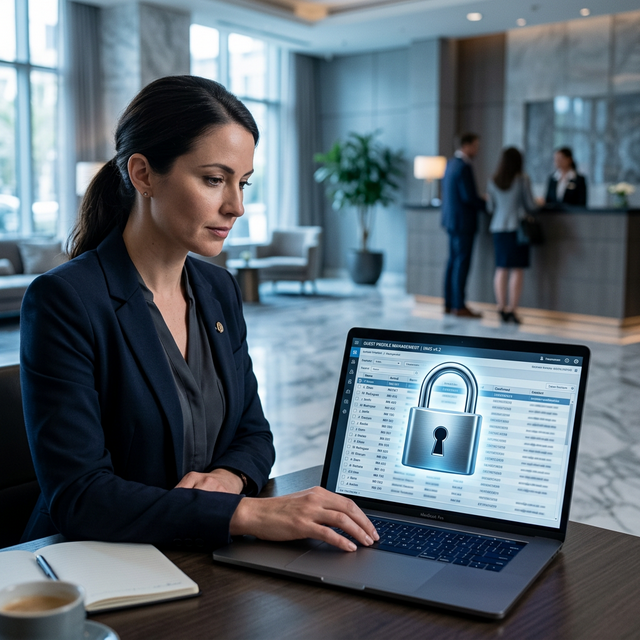
Hotels accumulate guest data indefinitely. Portable Guest Profiles invert the model — guests own preferences, hotels borrow them.
KeyShare's technology traces back to Continental Automotive and 120M+ vehicles. Here's how automotive secure access now powers hotels.
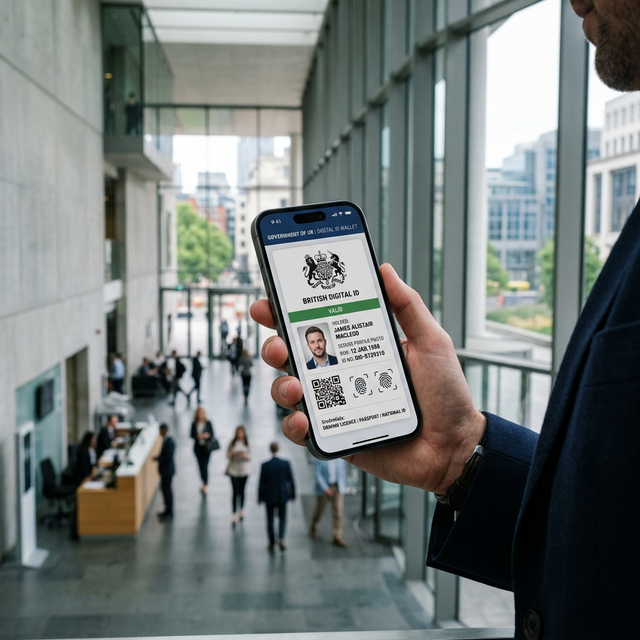
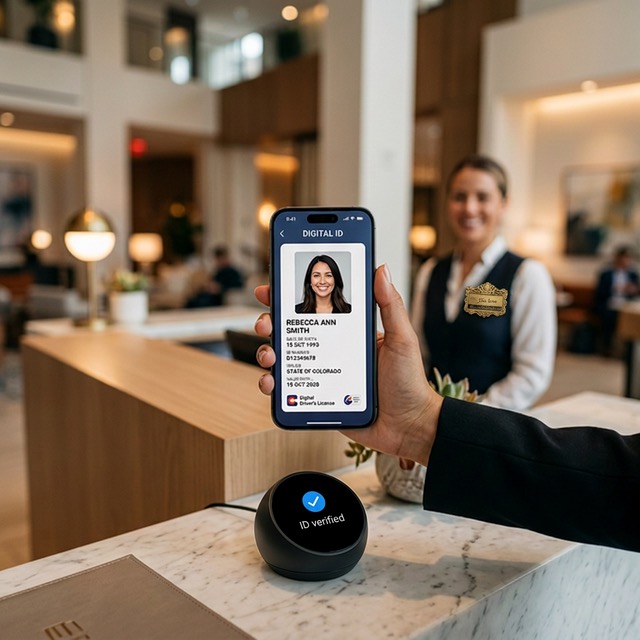
Mobile driver's licenses are going live across the US and EU. Here's what hotel GMs need to know about accepting digital ID at check-in.
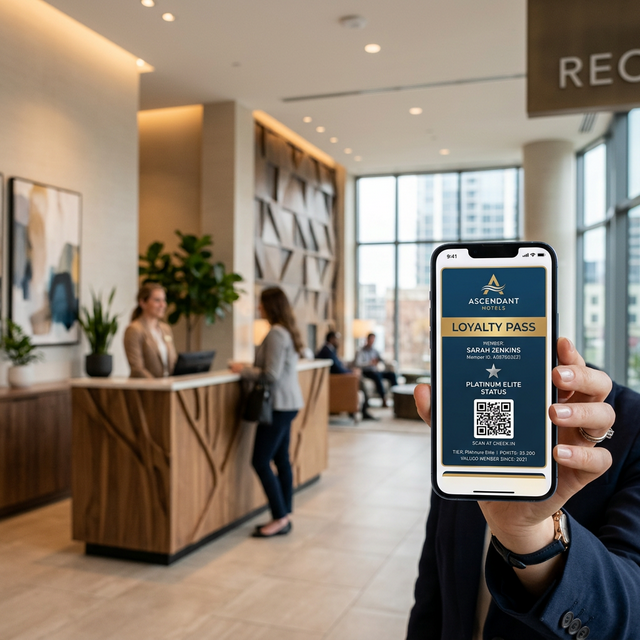
Hotel loyalty enrollment averages 14%. The problem is friction. One-tap enrollment from verified identity can push it past 50%.
Both enable contactless check-in, but the security models are fundamentally different. NFC provides cryptographic identity verification. QR codes don't.
Hotel check-in averages 3-5 minutes. Getting it under 60 seconds requires rethinking the workflow, not just speeding up each step. Here's how.
Plastic keycards cost hotels $0.50-$2.00 each. With re-encodes, replacements, and disposal, the total is higher than most GMs think. Here's the math.
Hotel internet goes down more than you think. An offline-first check-in system keeps operations running during outages — no fallback binder required.
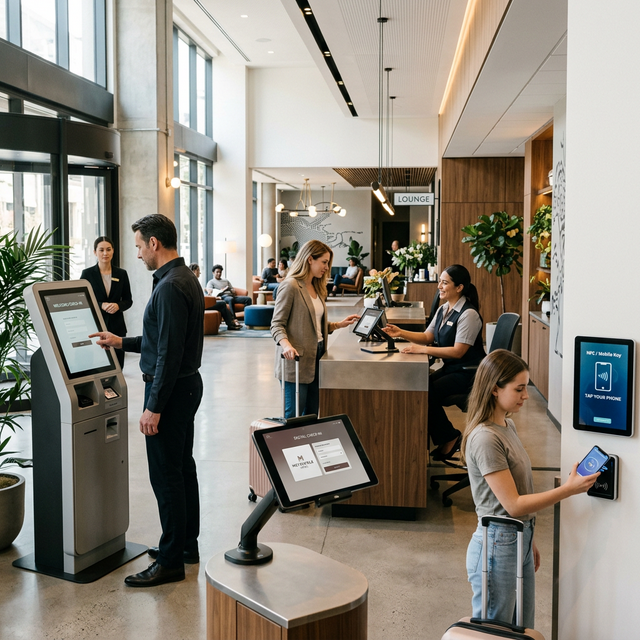
Kiosks, apps, and wallet-native check-in each have tradeoffs. Here's how they compare on adoption rate, cost, and guest experience.
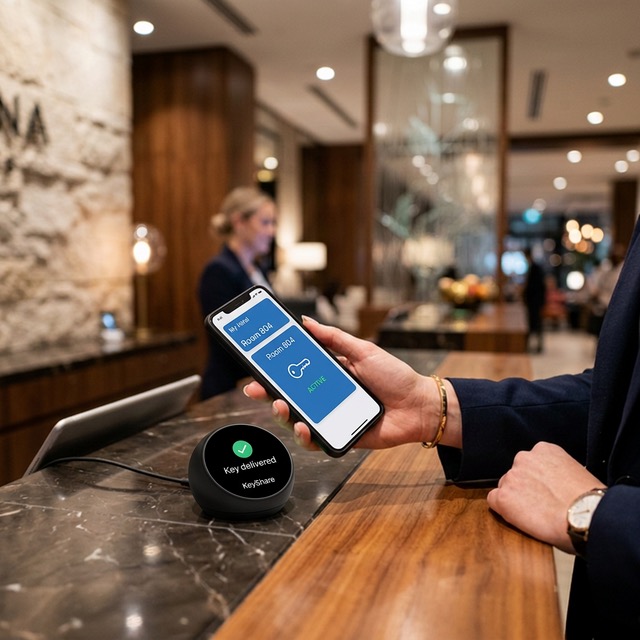
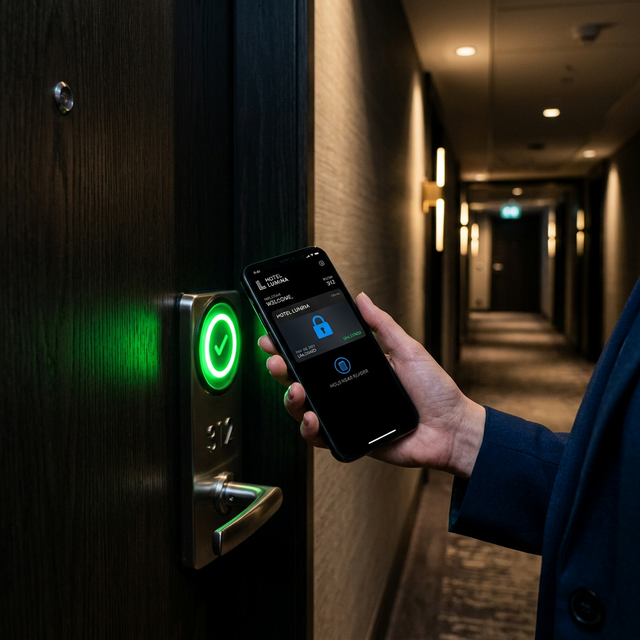
Wallet room keys use NFC, not Bluetooth. Here's what hotel IT directors need to know about architecture, security, and deployment.
Night audit staffing costs hotels $40K-$60K/year. Self-service check-in with identity verification makes unmanned overnight viable.
Enterprise mobile credentials cost $4-$17 per user per year. Multiply that by every employee, every year, forever. There's a better architecture.
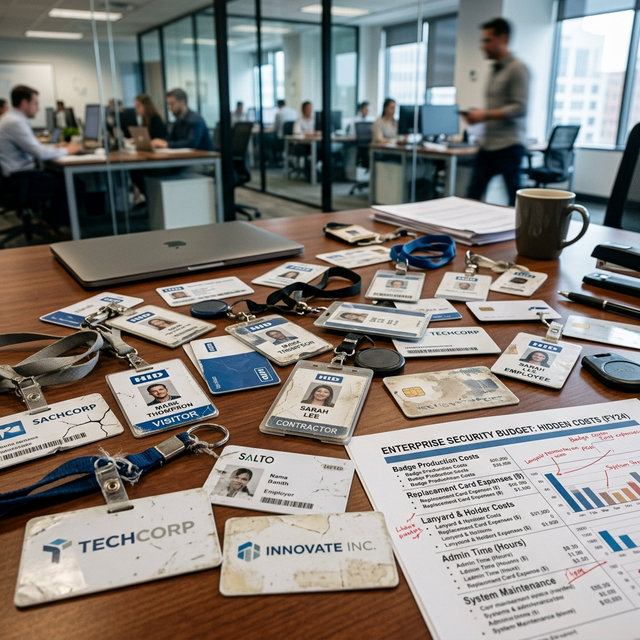
Badge costs go far beyond card stock. Printing, provisioning, replacement, and cloneable credential risk — the total is higher than you think.
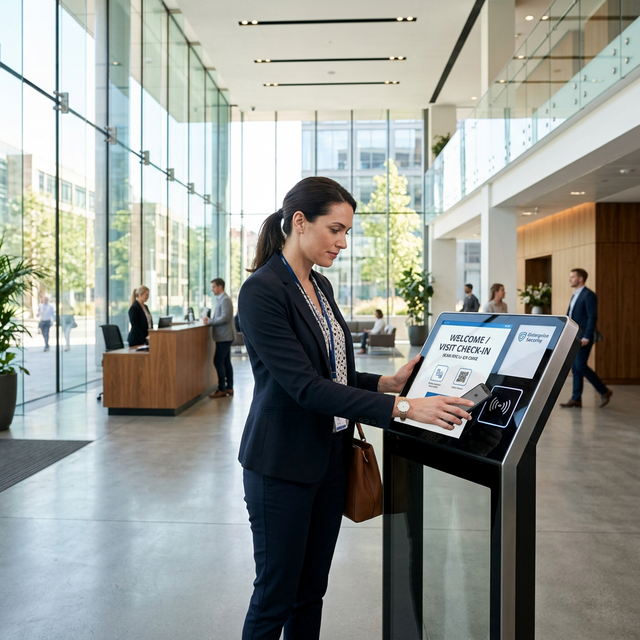
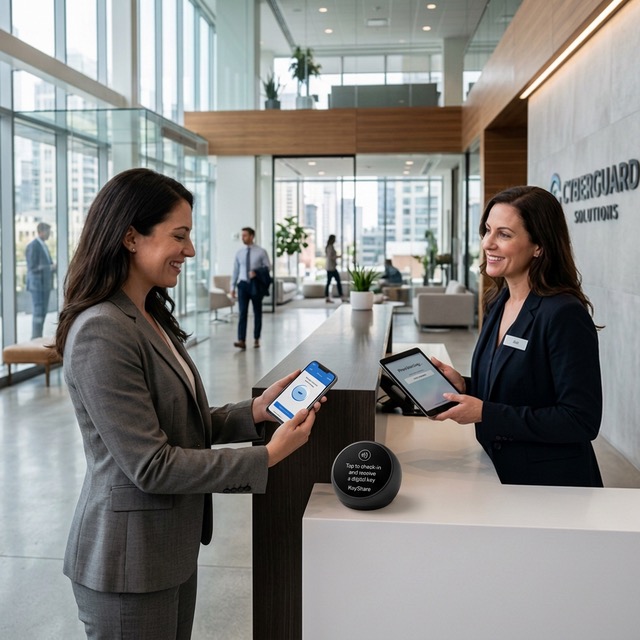
Enterprise visitor kiosks failed in the past because they couldn't verify identity. Digital ID verification + NFC credential delivery changes the equation.
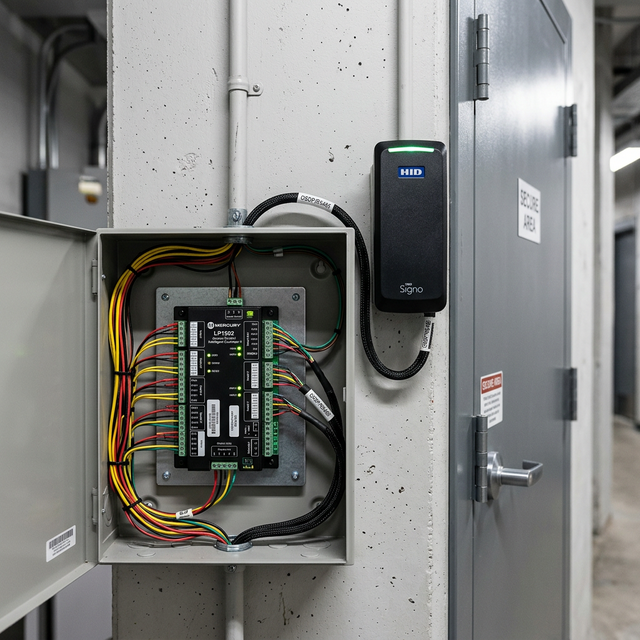
OSDP v2.2 replaced Wiegand as the access control reader protocol — and it's the protocol that makes identity-based access possible at the door edge.
Access control readers are physically exposed. If they store identity data, they're a breach vector. Thin reader architecture fixes this.
Enterprise mobile credential pilots launch with enthusiasm and stall at scale. The pattern is consistent — and the root cause isn't the technology.
Cloud-dependent mobile credentials put intelligence in the wrong place. Controller Derivation keeps access decisions on the panel — where they belong.
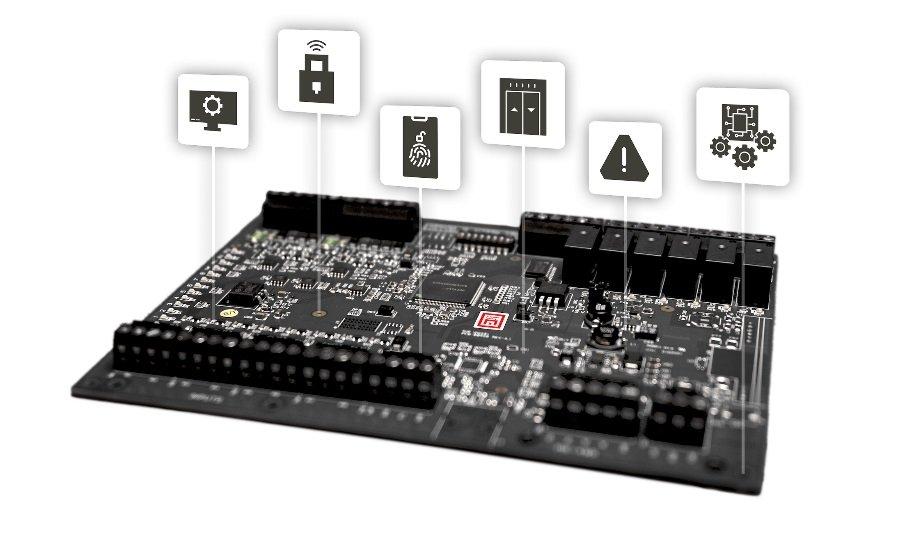
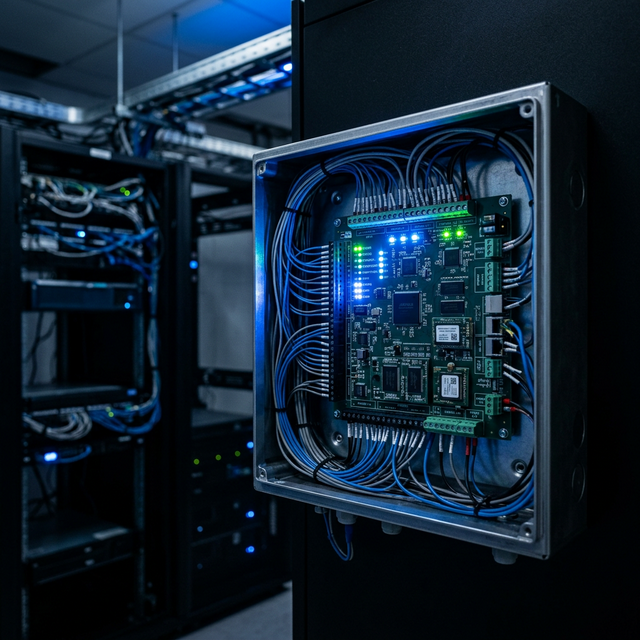
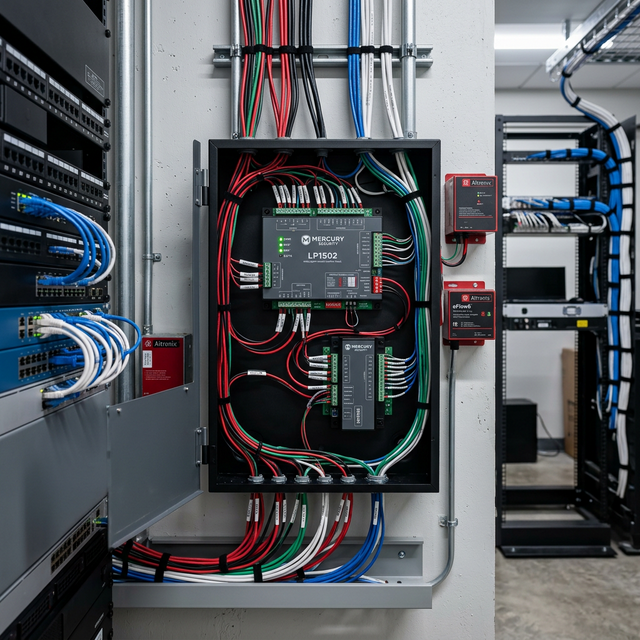
Mercury LP and MP controllers already sit in your IDF closets. They can run containerized applications — including identity-based access control.
Visitor badge provisioning takes 10-15 minutes and creates a security gap. Identity-verified tap-to-provision closes that gap in seconds.
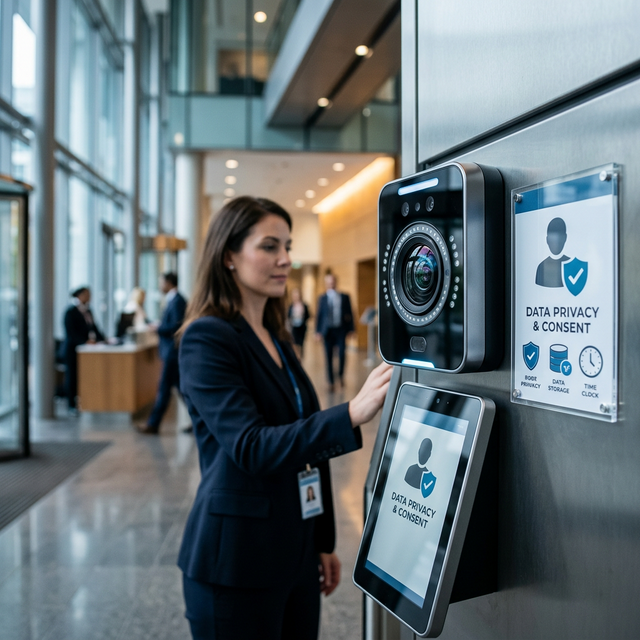
Biometric face matching doesn't have to mean surveillance. Ephemerality — process in RAM, discard in under a second — changes everything.
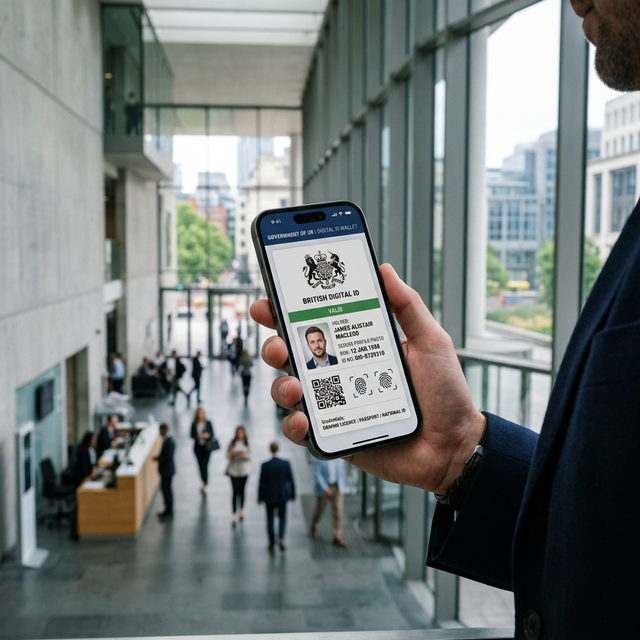
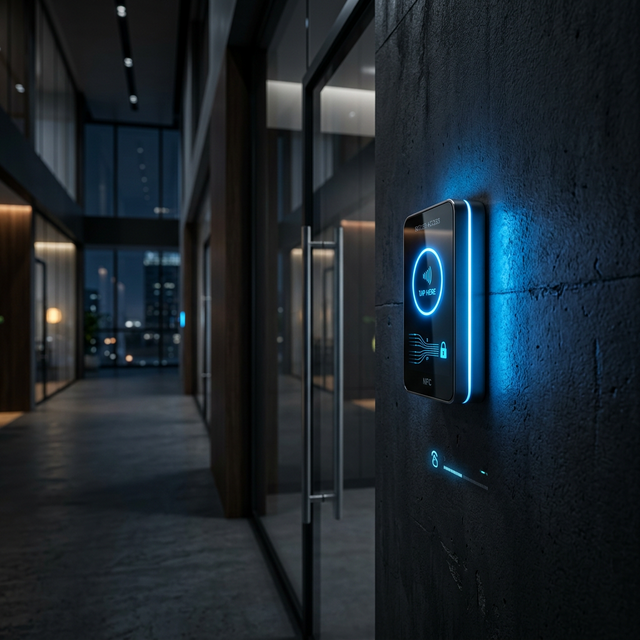
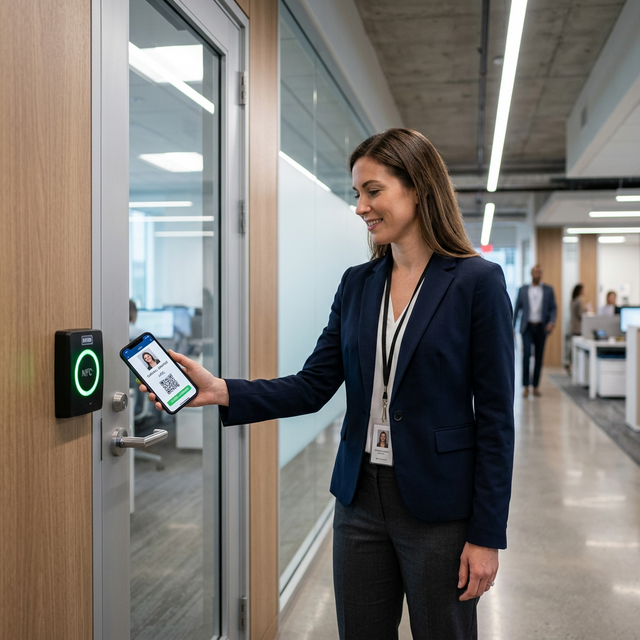
Digital identity is coming to physical access control. Here's what security directors need to know about mDLs, ISO 18013-5, and identity-based access.
PACS system integrators rely on project-based revenue. Identity-based access adds recurring subscriptions on existing Mercury panels.
Visitor management hasn't changed in 20 years. Digital identity verification, biometric ephemerality, and tap-to-provision are about to change it completely.
Product updates, industry insights, and event announcements. No spam — just signal.