The Bouncer Has a Blacklight. The Door Doesn’t Need One.
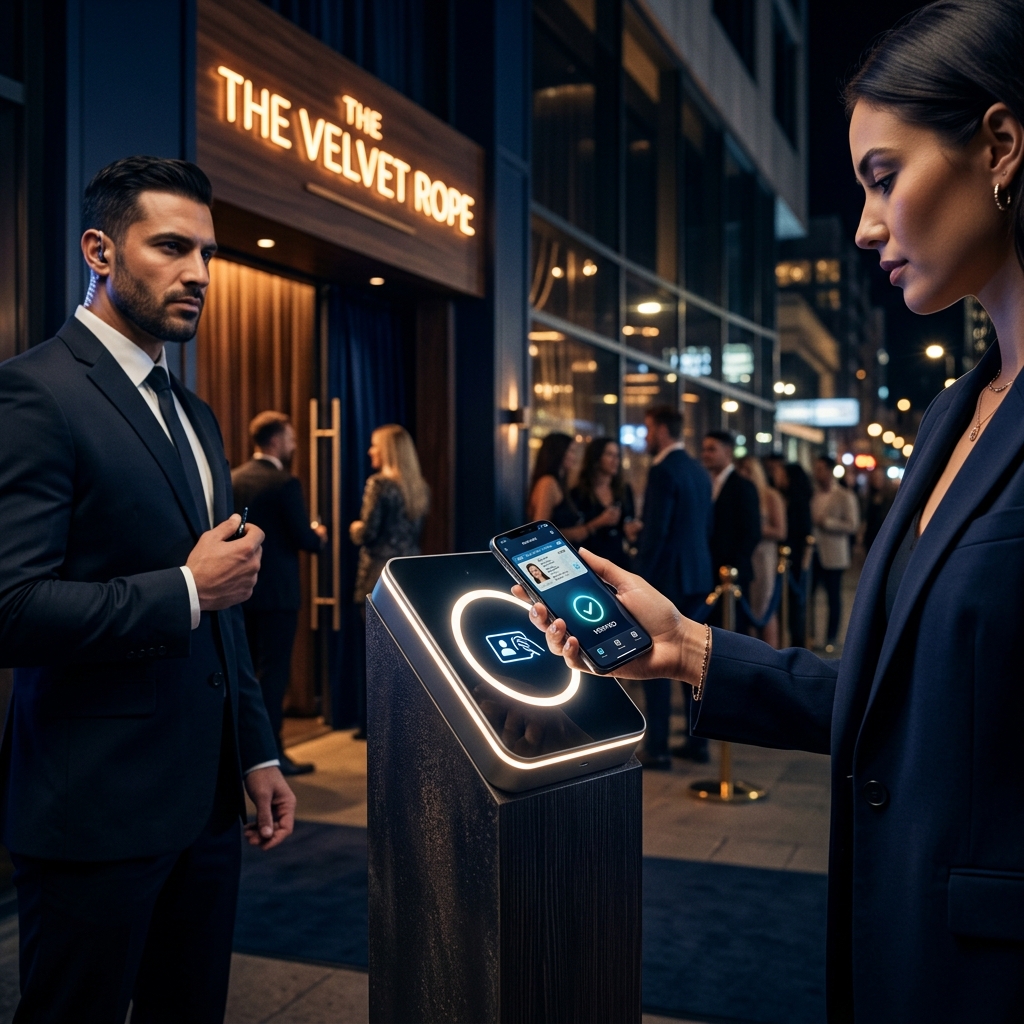
Somewhere in America right now, a bouncer is looking at a plastic driver’s license under a blacklight, trying to decide if a 19-year-old is a 21-year-old. He’s right most of the time. He’s also the reason a gaming floor in Illinois, a dispensary in Colorado, or a sportsbook in New Jersey is one bad judgment call away from serious regulatory exposure.
This is how age verification mostly still works in 2026. Human judgment plus a plastic card. Not especially reliable, and everywhere.
Mobile driver’s licenses have changed this. Governments are issuing them as cryptographic, phone-based credentials defined by the ISO 18013-5 standard. They have a feature the plastic card never had. They can answer narrow questions.
An mDL can respond to “is this person over 21?” with a single boolean. No birthdate transmitted. No name. No photo. No document number. Just the fact the door actually needs.
That small capability unlocks something bigger. Identity-based access is the idea of making an access decision based on who a person verifiably is, rather than what token they happen to be carrying. The credential isn’t something the system issues. It’s something the person already has.
What regulated access is
Age verification at a gaming floor is one example of a bigger category. Regulated access is physical entry governed by legal compliance rather than employment. These are the doors that open not because an employer said so, but because a regulator said so.
Age-restricted environments: gaming floors, cannabis dispensaries, sportsbooks.
Cleared-personnel zones: ITAR-controlled rooms, defense contractors, SCIFs.
Regulated care spaces: medication rooms, pharmacy areas, clinical trial units.
Controlled perimeters: airside access, port security.
These categories aren’t identical. Age verification at a gaming floor is essentially clipboard replacement, and mDL selective disclosure is close to a perfect fit. Cleared-personnel zones — defense, airside, port — already run sophisticated systems like PIV and TWIC. There, mDL looks more like an upgrade path. What they share is urgency driven by law rather than company policy.
The economics are inverted
You’re usually not adding identity alongside a working system. You’re replacing a clipboard, a visual ID check, or a legal exposure the general counsel already loses sleep over. The buyer isn’t negotiating a credential contract; they’re buying down regulatory risk. The ROI is immediate. Urgency comes from a regulatory deadline or a penalty already levied, not a budget cycle.
The buyer title changes too. It’s often a compliance officer, a general counsel, or an operations lead who’s personally accountable for a specific legal outcome. A conversation with different urgency and a different procurement path.
The technical fit is especially clean
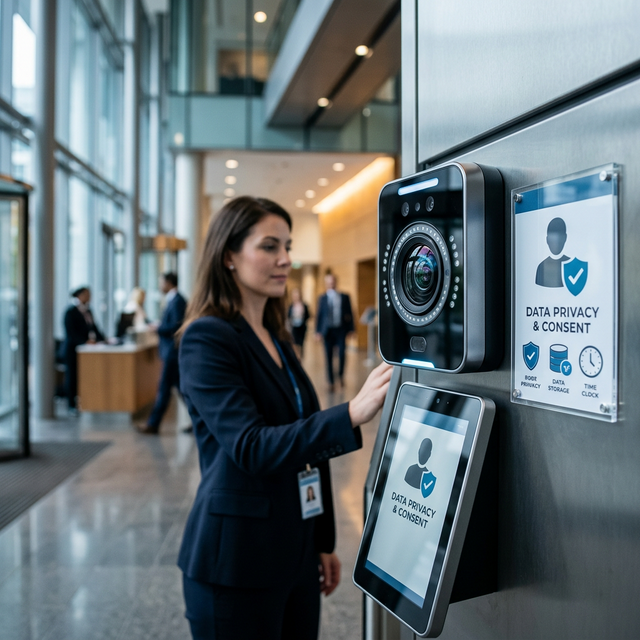
Most compliance regimes require verification but penalize over-collection. Biometric privacy laws like Illinois BIPA put real teeth behind that principle. The older tooling is a visual ID check or a scanner that photographs the license. It either over-collects and creates breach risk, or under-verifies and creates compliance risk. mDL selective disclosure hits the narrow middle.
I build software that runs at the access control panel level. When a compliance-driven buyer shows up in an access control conversation, the driver isn’t “make life easier for our employees.” It’s “keep us from getting fined.” That changes the shape of the whole sale.
Why this matters
Regulated access is where some of the most interesting doors are starting to open. And the work done there will matter well beyond it.
When a hospital deploys mDL-based access in its medication rooms, the integration work and operational familiarity don’t stay in the pharmacy. They become the scaffolding for whatever that hospital does with identity-based access next. Same with a casino operator. Their age-verification deployment builds vendor relationships and operational expertise that carry over to whatever they do with identity next.
The bouncer with the blacklight isn’t going away tomorrow. But some of those doors are already opening to a cryptographic answer instead of a judgment call. The work it takes to build well for those doors is work the industry will need everywhere.