Visitor Management in 2026: From Clipboard to Cryptographic Verification
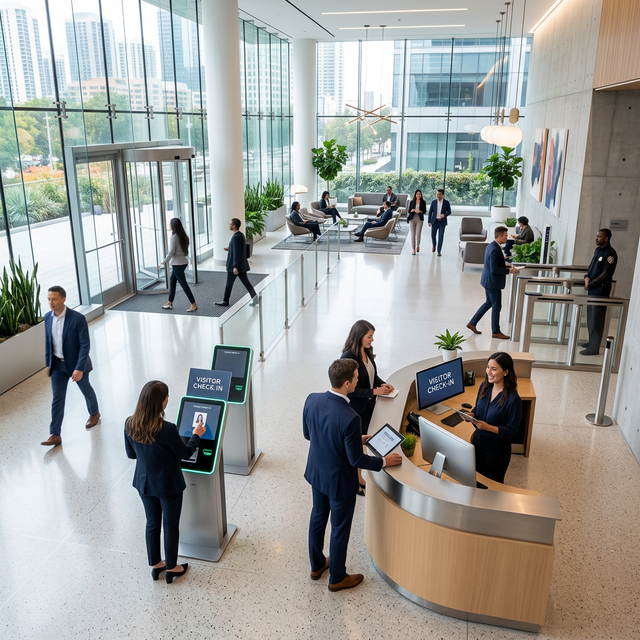
Most commercial buildings still manage visitors with a variant of the clipboard: a receptionist, a form (paper or digital), a manual ID inspection, and a temporary badge. The process has been automated — touch screens instead of paper, printers instead of hand-written badges — but the fundamental workflow hasn’t changed in two decades.
The visitor states who they are. Someone writes it down. Someone else inspects a physical ID. A badge is printed. The visitor enters.
Every step in this workflow has a trust gap. The visitor could state a false name. The ID could be forged. The receptionist could misspell the name. The badge could be passed to someone else. The workflow generates an audit trail that consists mostly of what people said and what someone typed — not what was cryptographically verified.
What cryptographic visitor verification looks like
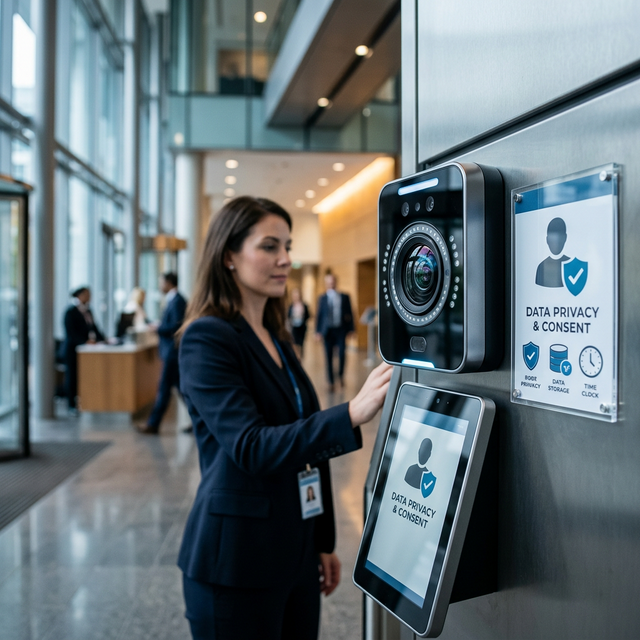
A visitor taps their phone on a Puck at the reception desk. The Puck reads their digital ID (mDL or EUDI credential via ISO 18013-5) and verifies the cryptographic signature against the issuing authority. The visitor’s identity is confirmed mathematically — not by a receptionist’s judgment.
The Visitor Experience Platform matches the verified identity against the pre-registration list. If the visitor is expected, the system confirms the appointment, runs watchlist screening, presents any required NDA for electronic signature, and provisions a building access credential to the visitor’s phone. The host receives a notification.
From tap to entry: under 30 seconds. The audit trail records: verified identity (cryptographic confirmation, not a typed name), face match result (if configured), watchlist screening result, NDA signature, credential issuance, and every access event during the visit. Every element is timestamped and cryptographically logged.
The three capabilities that change everything
Identity verification replaces visual inspection. The security gap in traditional visitor management is the identity check — a receptionist looking at a plastic card and deciding if the photo matches. Cryptographic verification eliminates that subjective judgment. The digital signature either checks out or it doesn’t.
Tap-to-provision replaces badge printing. Instead of a disposable plastic badge that can be shared, lost, or pocketed, the visitor receives a digital credential on their phone — time-limited, scope-limited, and automatically revoked at departure. No badge collection needed. No badge left in a desk drawer for someone else to find.
Biometric ephemerality replaces surveillance. For buildings that require higher assurance, 1:1 face matching confirms the person presenting the digital ID is the person in the credential photo. The face data is processed in RAM and discarded in under one second. No biometric database. No template storage. No surveillance.
What this means for facilities directors
The shift from clipboard to cryptographic verification changes the operational model:
Receptionist role evolves. The receptionist shifts from data entry (typing names, inspecting IDs, printing badges) to hospitality (welcoming visitors, handling exceptions, managing conference room logistics). For buildings deploying Self-Service Kiosk Mode, the Puck handles the routine; the receptionist handles the exceptional.
Compliance becomes automatic. Buildings in regulated industries (financial services, healthcare, government, defense) need visitor audit trails for compliance. Cryptographic verification produces stronger audit evidence than manual processes — and it’s generated automatically, without compliance officers chasing missing sign-in sheets.
Credential management disappears. No badges to print, collect, deactivate, or track. Visitor credentials are digital, time-limited, and self-revoking. The entire badge lifecycle — issuance, tracking, collection, deactivation, disposal — evaporates.